AI Short Film
The Key of Life
An original AI short film, developed from concept through final delivery
OpenArt GenBattle LA FinalistCompetition page ↗
Overview
An original cinematic AI short developed from concept through final production by Coded Phoenix — character development, visual world-building, generative AI, editing, and sound design brought together into a cohesive narrative film.
The creative concept
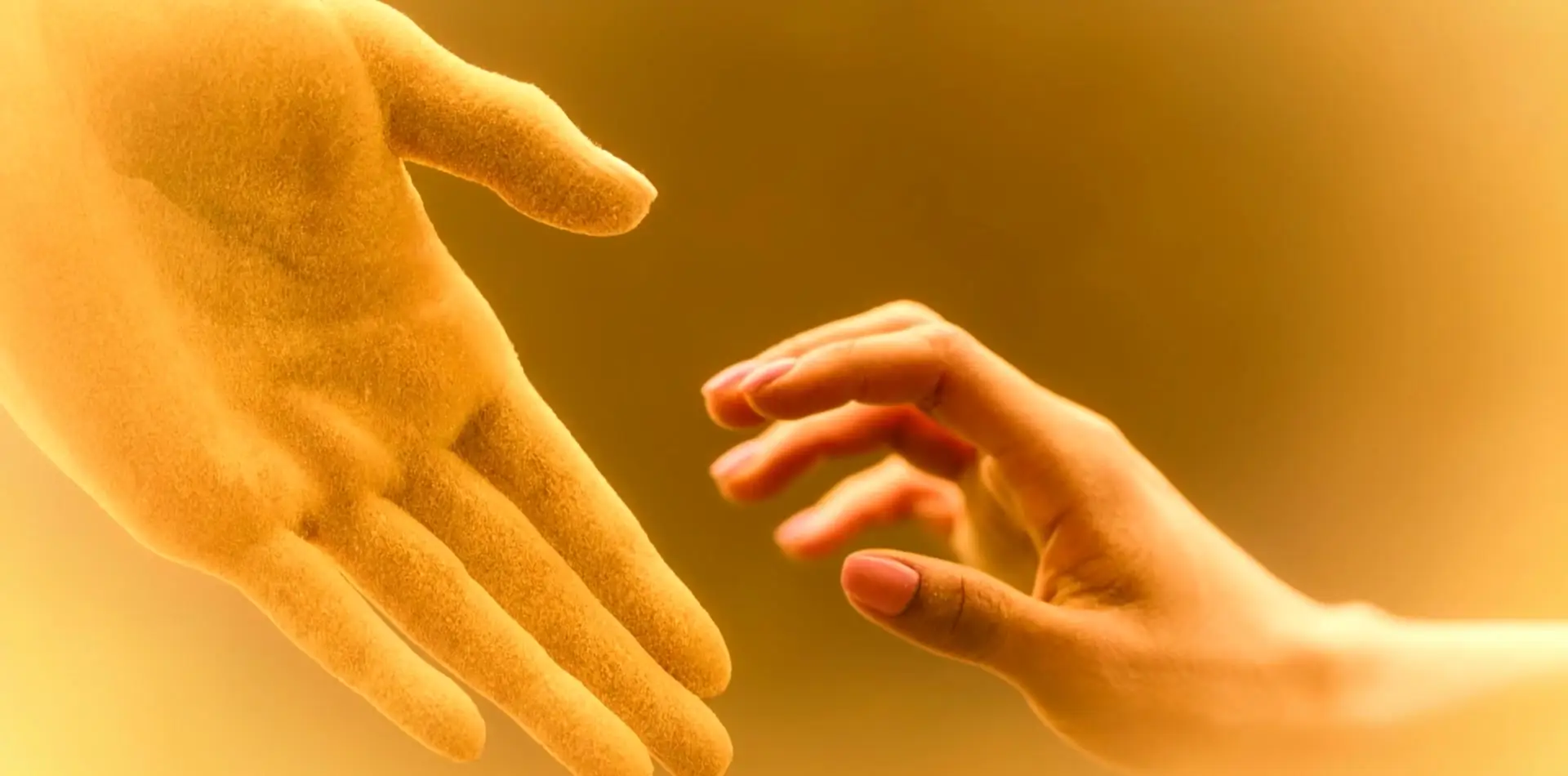
At its core, The Key of Life explores what happens when a closed door becomes an opening.
Developed in response to the competition theme “Open / Close,” the film follows Amina, a writer confronting rejection and self-doubt before experiencing a shift that opens the door to creative possibility.
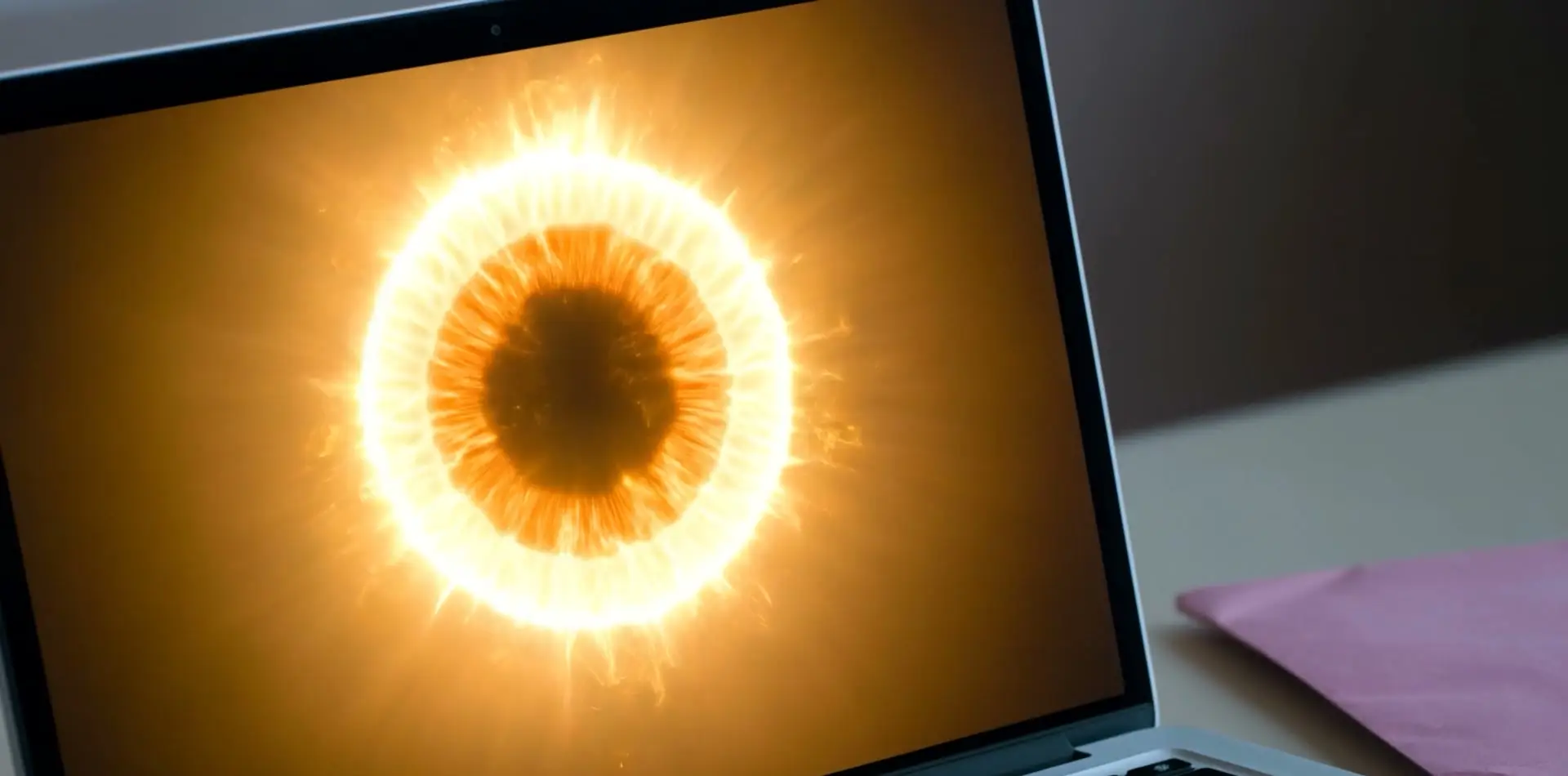
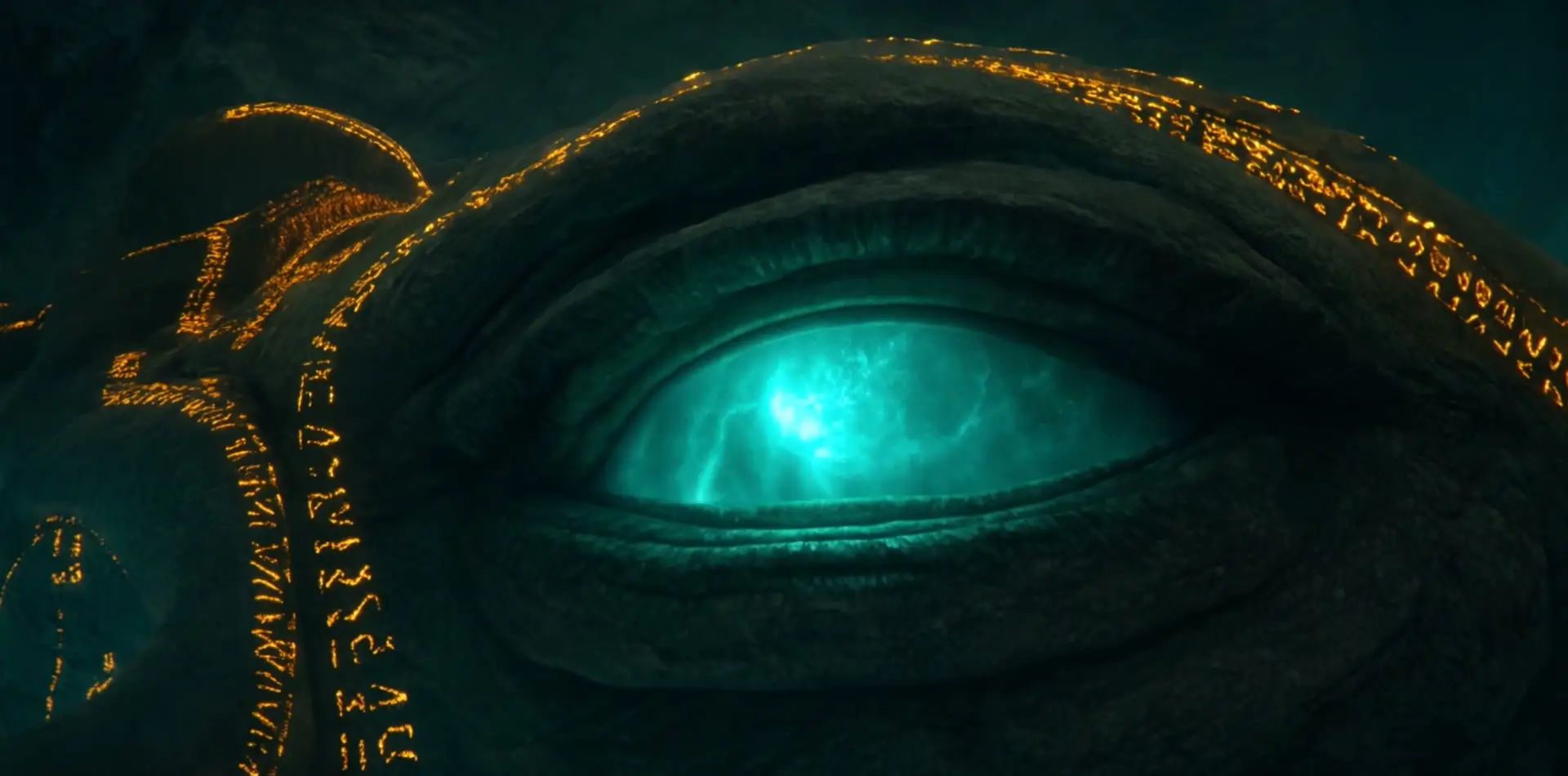
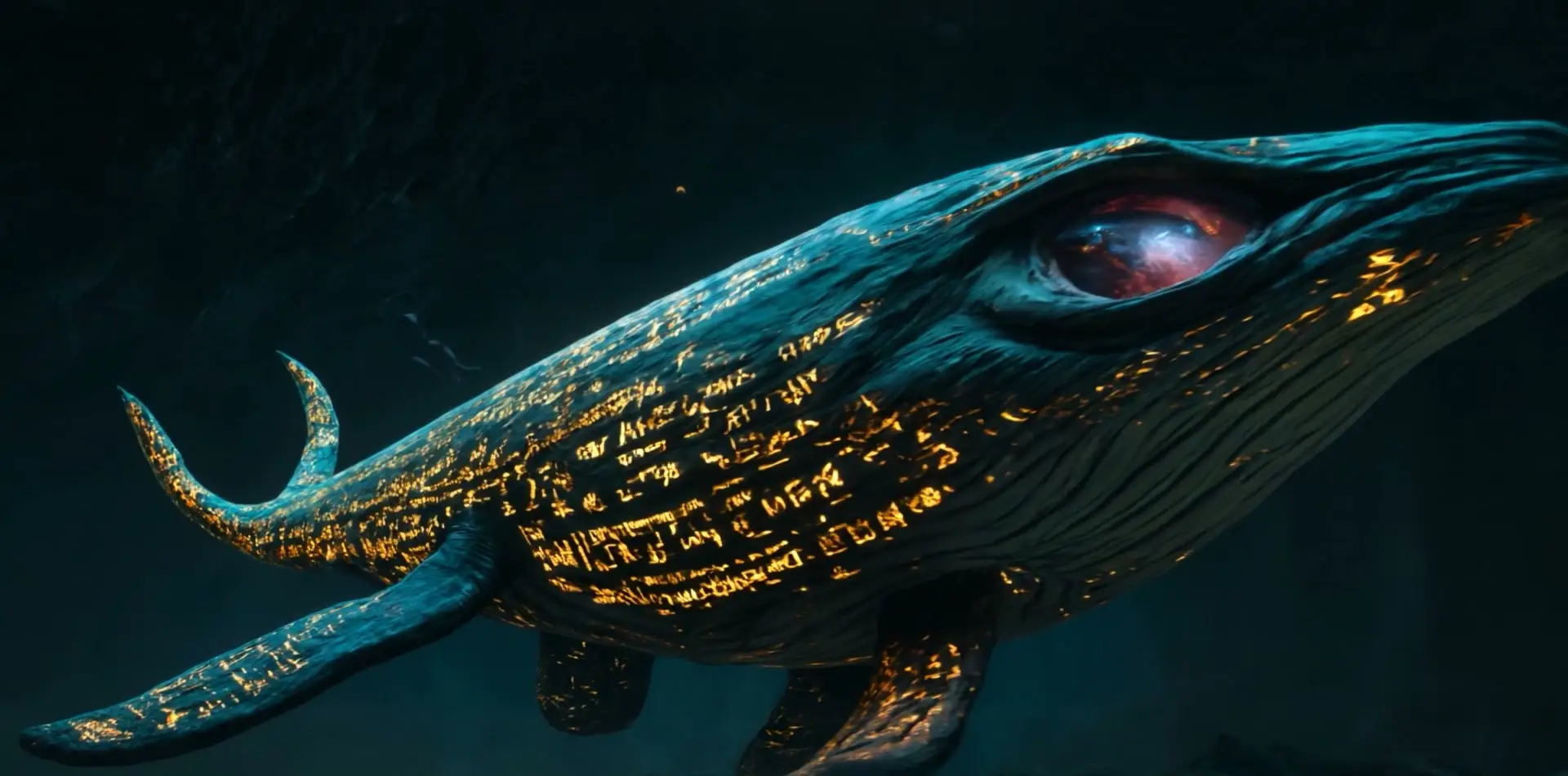
Amina begins the story creatively defeated. Her environment, pacing, sound, and performance all reflect that emotional state. As the story progresses, the visual language shifts with her: the world becomes more expansive and speculative as her imagination begins to take form.
The goal was to make more than a sequence of striking AI-generated images. The film needed a clear emotional arc and a protagonist whose journey could anchor increasingly imaginative visuals.
Character and world development
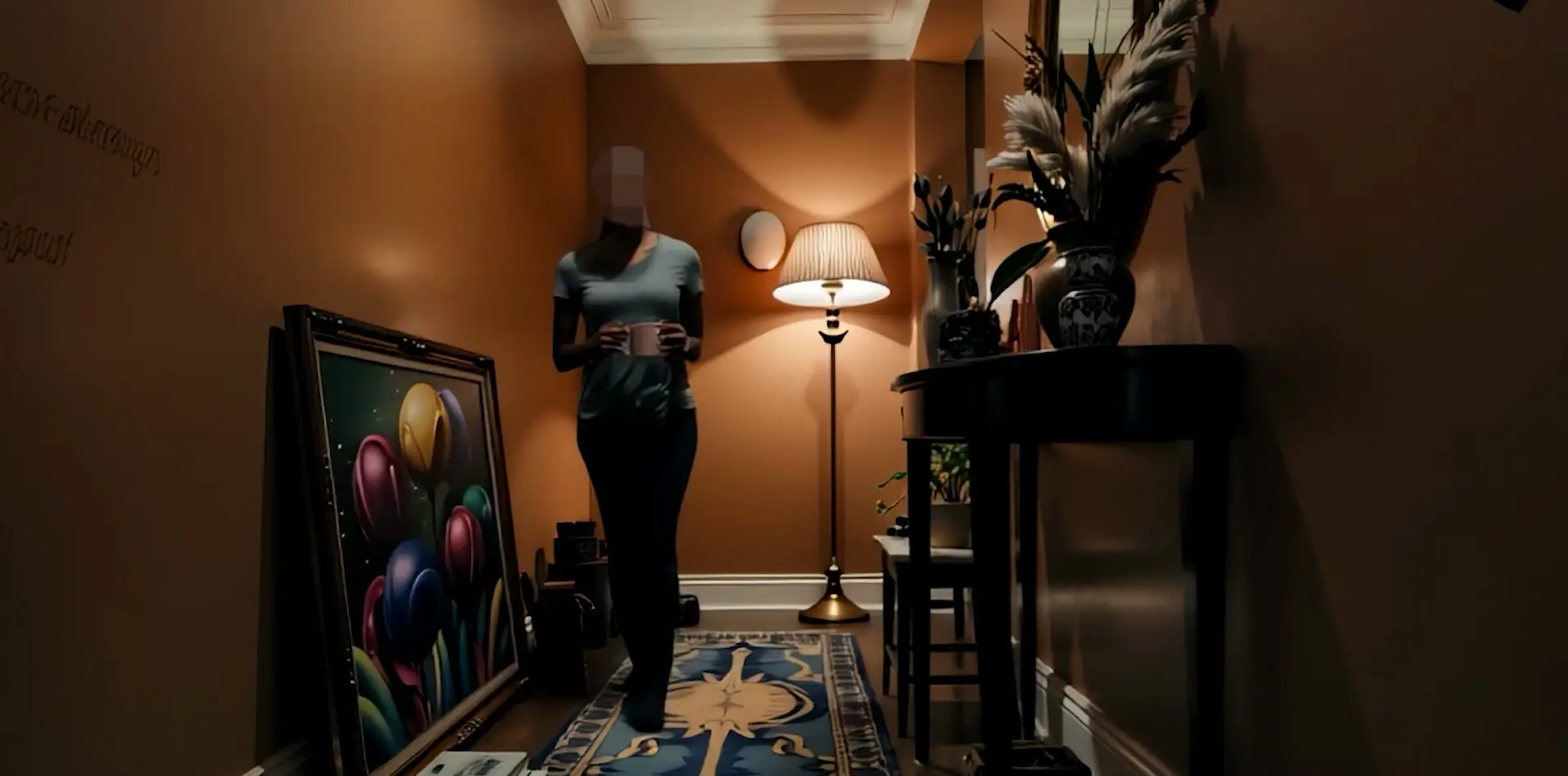
Before any of the film was generated, Amina was developed as a character well beyond what would appear directly on screen. Her backstory, goals, emotional state, finances, relationships, and personal style all informed how she looks and where she lives.
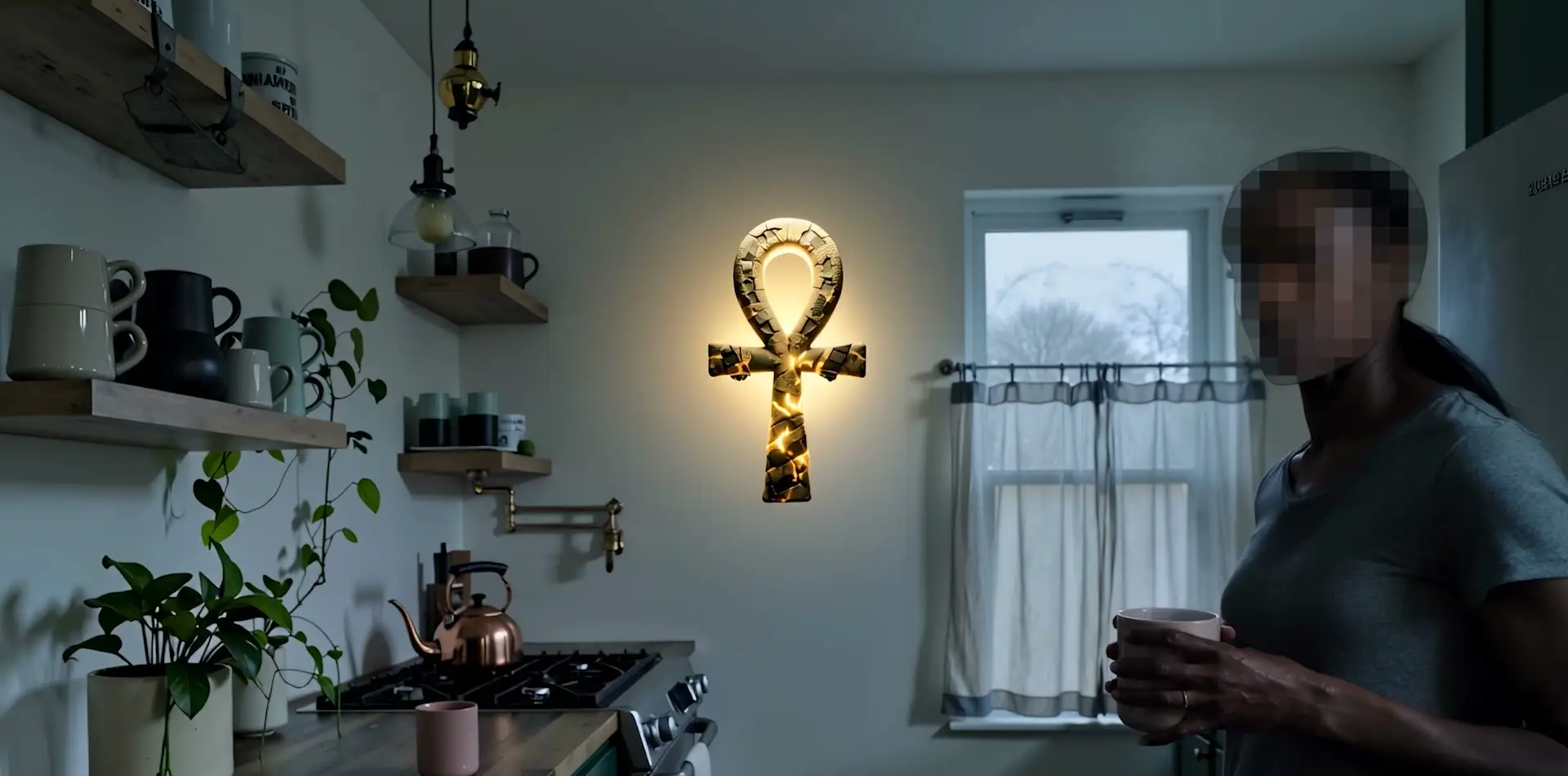
Recurring locations — her bedroom, the hallway, the kitchen — were established to give the film a recognisable physical world and to hold continuity as the story moved.
From there, a shot list was built around the emotional progression of the narrative, with multiple variations generated for each beat to identify the strongest performances, compositions, and visual moments.
AI production workflow
The project was made using OpenArt as the primary generation platform. Still imagery was developed with Nano Banana Pro; motion shots were generated with Kling AI Omni.
OpenArt’s character-reference tools carried most of the weight in keeping Amina’s face consistent across locations, compositions, camera angles, emotional beats, and lighting conditions. That consistency was one of the central technical challenges of the project, and an essential part of making the finished film feel like one continuous cinematic world.
Editing and sound
The final film was edited in Adobe Premiere Pro.
Because the story is told visually rather than through conventional dialogue, sound carries much of Amina’s internal state. Rain, thunder, and melancholy music establish the emotional atmosphere at the opening. A moment of quiet marks the story’s internal turning point, followed by a more hopeful soundscape as her creative world begins to open.
The sound design was built to move with the visual progression rather than simply sit underneath it.
The challenge
The primary production challenge was maintaining both character consistency and environmental continuity across AI generations.
AI filmmaking makes it relatively easy to produce one impressive image. The harder task is a sequence in which the same character, the same spaces, the same emotional performance, and the same visual language stay believable from shot to shot.
Getting there took repeated generation, close visual comparison, shot selection, and refinement.
The result
The Key of Life was selected as a finalist in OpenArt’s GenBattle LA film competition.
The project took an original concept all the way through story and character development, visual world-building, shot design, AI image and video generation, character consistency, cinematic editing, sound design, and final delivery — a complete AI-native short film grounded in story, character, visual continuity, and cinematic intention.
Capabilities
- AI Filmmaking
- Creative Direction
- Story Development
- Character Development
- Visual Development
- Character Consistency
- Cinematic Composition
- Shot Planning
- AI Image-to-Video Production
- Editing & Post-Production
- Sound Design
Stills